
What for?
What if we put communication back at the service of business? What if brands dared to have real manifestos... from which all formats would derive (and not the other way around)?

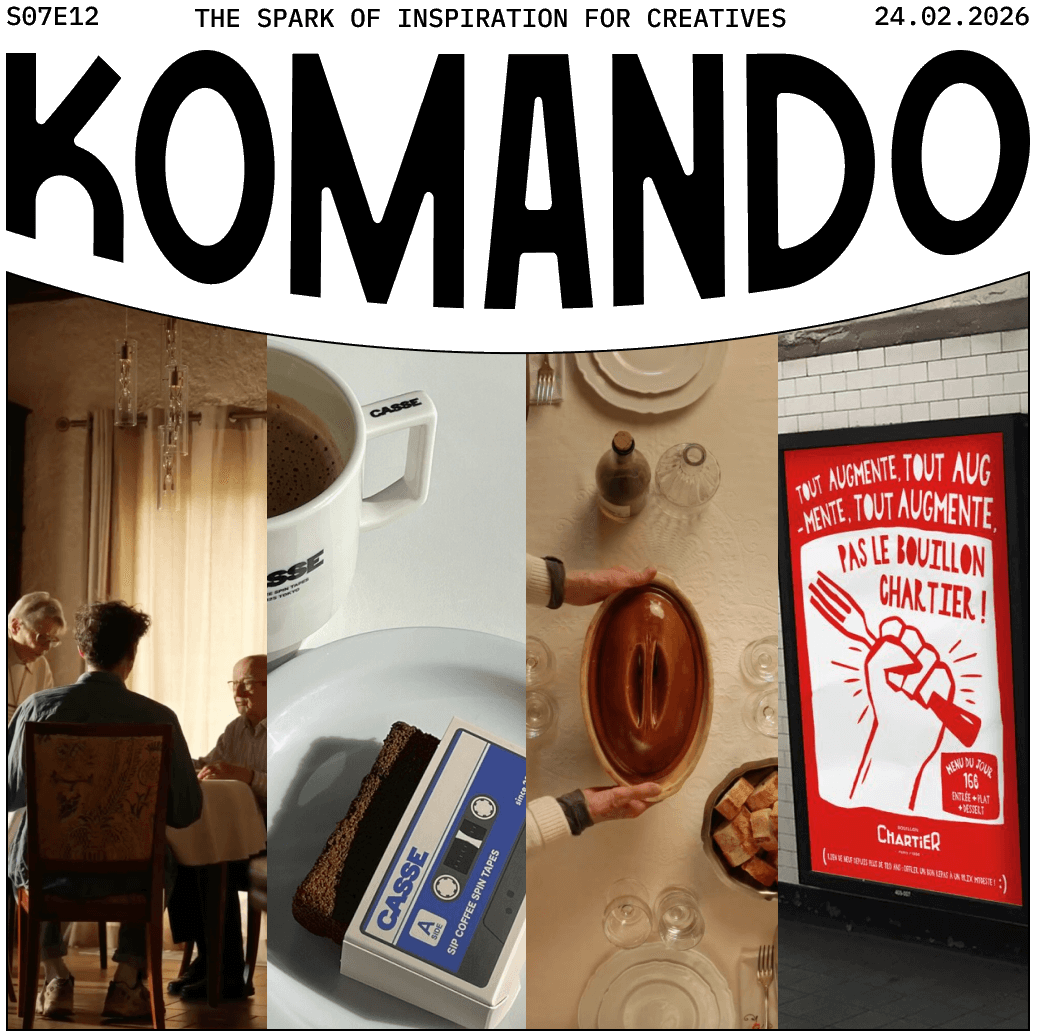
Good morning folks,
I don't talk about it much, but in addition to this newsletter, I also run an agency. And often, people come to me saying, "My social media isn't working: I need help." And I understand exactly where that comes from. It's what you're constantly being told. It's what you're led to believe: if it's not working, it's because you're not posting enough, not posting well, not posting in the right format. Inevitably, after hearing it over and over again, you end up thinking that's where the problem lies.
The question I want to ask, without judgment, is this: is this really the best place to invest your time and energy? When you're a restaurateur, baker, or freelancer, is posting on Instagram where you create the most value? Yes, I often hear people say, "Today, social media is essential for getting noticed." Maybe. But not necessarily by feeding an account. That's what this newsletter is for: to show you that there are a thousand other ways to reach an audience, create preference, and get people talking about you, without necessarily having to "churn out content." It all depends on your goal and your target audience. It's basic, yet we often forget to take a step back and ask ourselves the famous question that everything else stems from: why?
If we want to collectively restore impact (and a little sincerity) to communication, I always come back to the same fundamentals: 1) find your cause, your positioning, your truly differentiating value proposition; 2) be clear about your objective and your target audience. Everything else (formats, activations, relevant partnerships) follows from that. Not the other way around.
So if you want to think about all this differently, you know where to find me.
With that said, enjoy reading!
How can you filter out ambient noise?
As you know, this is a subject that fascinates me: we are inundated all day long with a continuous stream of news, articles, alerts... And what's missing in all this? Filtering. Curation. When you're a company today, the challenge is no longer to see everything that's going on, but to know what you really need to read. Take the media flow, cut out the noise, and keep the signals that matter. This is exactly the approach chosen by Abstrakt, which targets B2B companies and offers monitoring services that are truly worth reading.
Yes, this insert is sponsored: I don't do many, but I choose them carefully. I'm mentioning it because I believe in their curation approach.
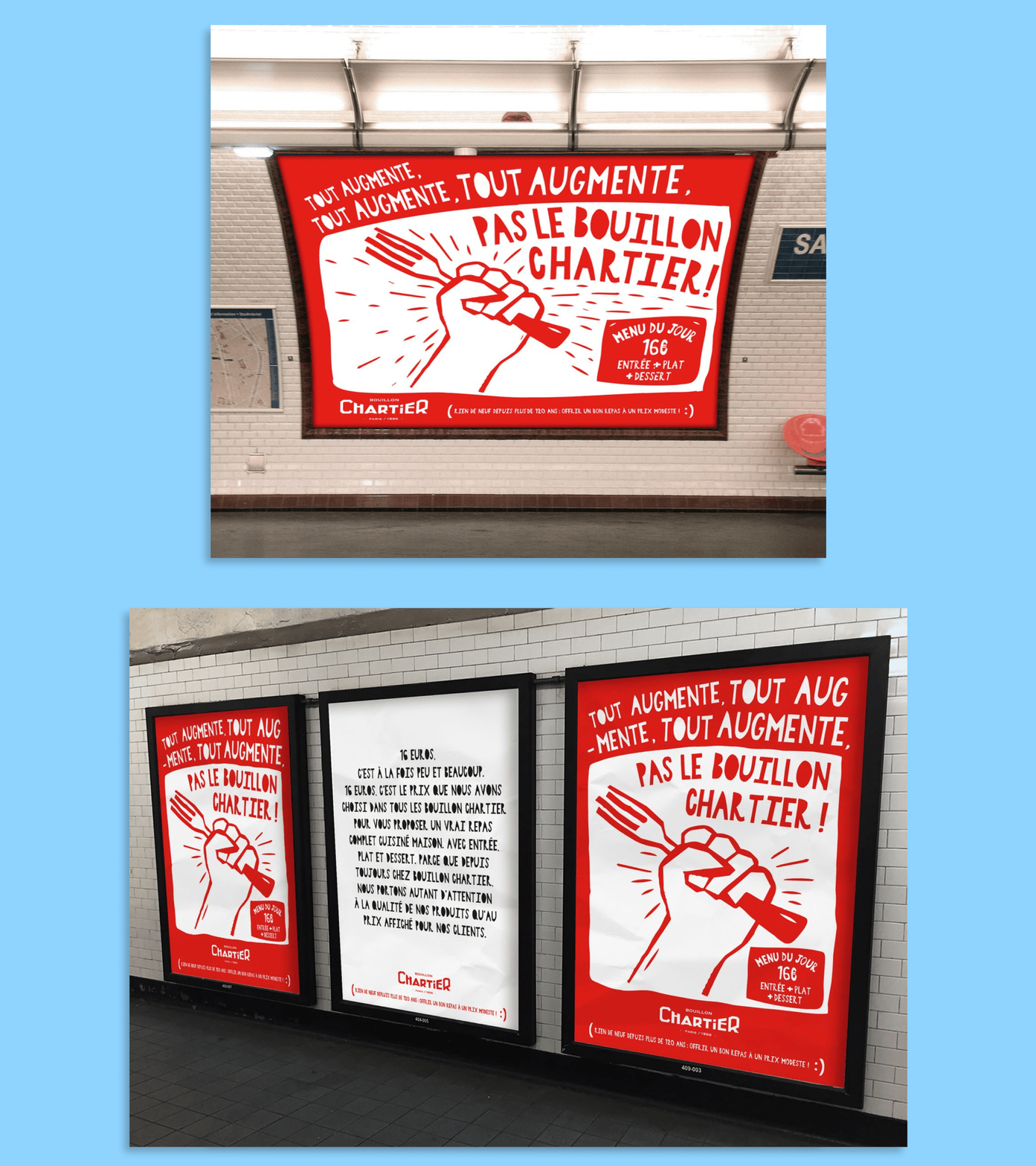
Chartier takes up the militant cause
In short — Against a backdrop of inflation, the popular restaurant chain launched a poster campaign in the Paris metro a few weeks ago, deliberately borrowing the style of the May 1968 posters: red visuals, raised fists, slogans about purchasing power, etc. This politicization stands out among restaurant operators, who are more accustomed to playing on themes of pleasure and indulgence.
Why it matters — If you browse his website, you will discover that Chartier has... a manifesto (quite unusual for a restaurant, let's face it). And it's far from being bullshit like the mission statements of CAC40 companies. It includes the promise made by the Chartier brothers when they founded the restaurant in 1896: "to offer a meal worthy of the name at a modest price." Price, simplicity, no pretension... Everything is consistent with this guiding principle: where many brands pile on messages, Chartier asserts its historic positioning as an accessible restaurant, positioning itself as a part of everyday life for the working and middle classes. And so it runs a campaign... in the subway, where Mr. and Mrs. Average cross paths on their way to work.
Better still, this campaign is not new: it was launched two years ago. It has simply been reissued in 2026, unchanged. This also reinforces its sincerity: focusing on purchasing power is not an opportunistic attempt to capitalize on the social context and current events. The brand shows that it has been following the same line for years. In a landscape saturated with reactive brands, this is almost radical. Ultimately, Chartier reminds us that a strong brand is not one that best reflects the times... but one that says the same thing long enough to become credible.
→ See the campaign and the manifesto
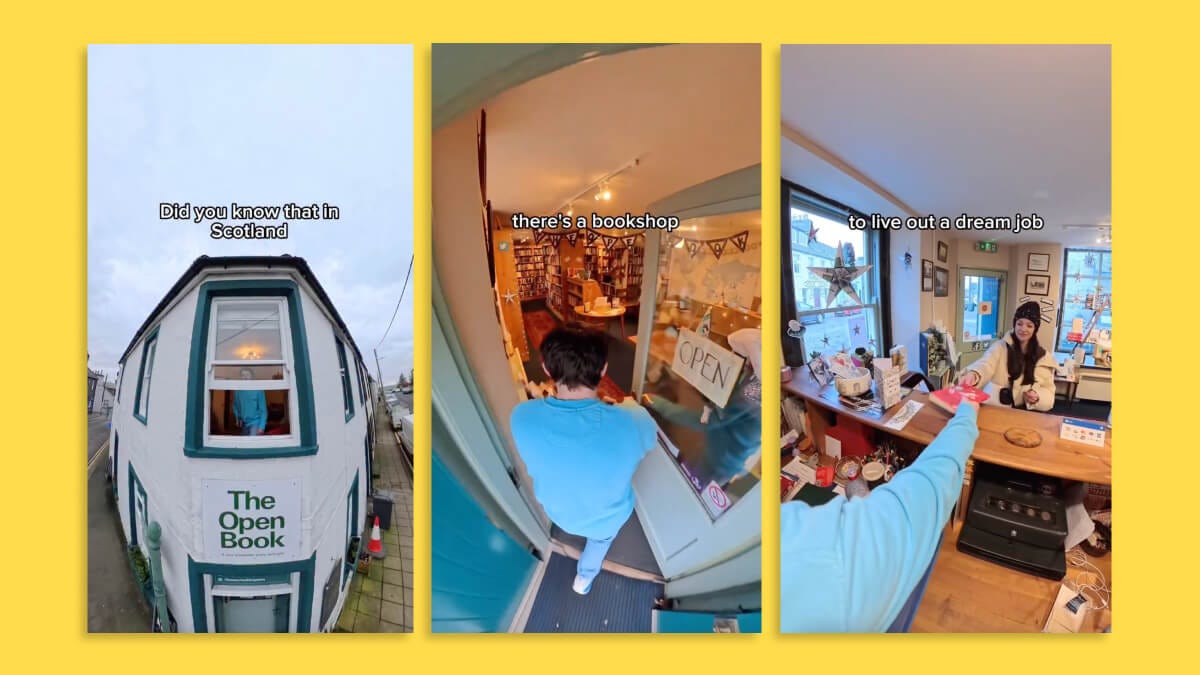
How about becoming the manager of a bookstore in Scotland for a week?
In short — The Open Book is an unusual bookstore located in Wigtown, Scotland's "book capital," which welcomes literature enthusiasts from around the world. It offers an immersive experience: you rent the apartment above the shop and become a bookseller for a week: you welcome customers, organize the space, plan events, and advise readers. The experience is offered through Airbnb or the (very long) waiting lists of the Wigtown Book Festival Company: you have to book several months or even years in advance.
Why it matters — Everyone wins. For book lovers who become temporary residents, it's a unique experience worthy of a bucket list, allowing them to check off "become a bookseller" without taking any risks. For the village, it's a long-term boost to its appeal to tourists, supporting the region's economy. And for independent bookstores, which are often economically fragile, it's a great opportunity to promote reading and attract a community of enthusiasts from around the world who extend the experience beyond their stay.
→ Discover the experience in video
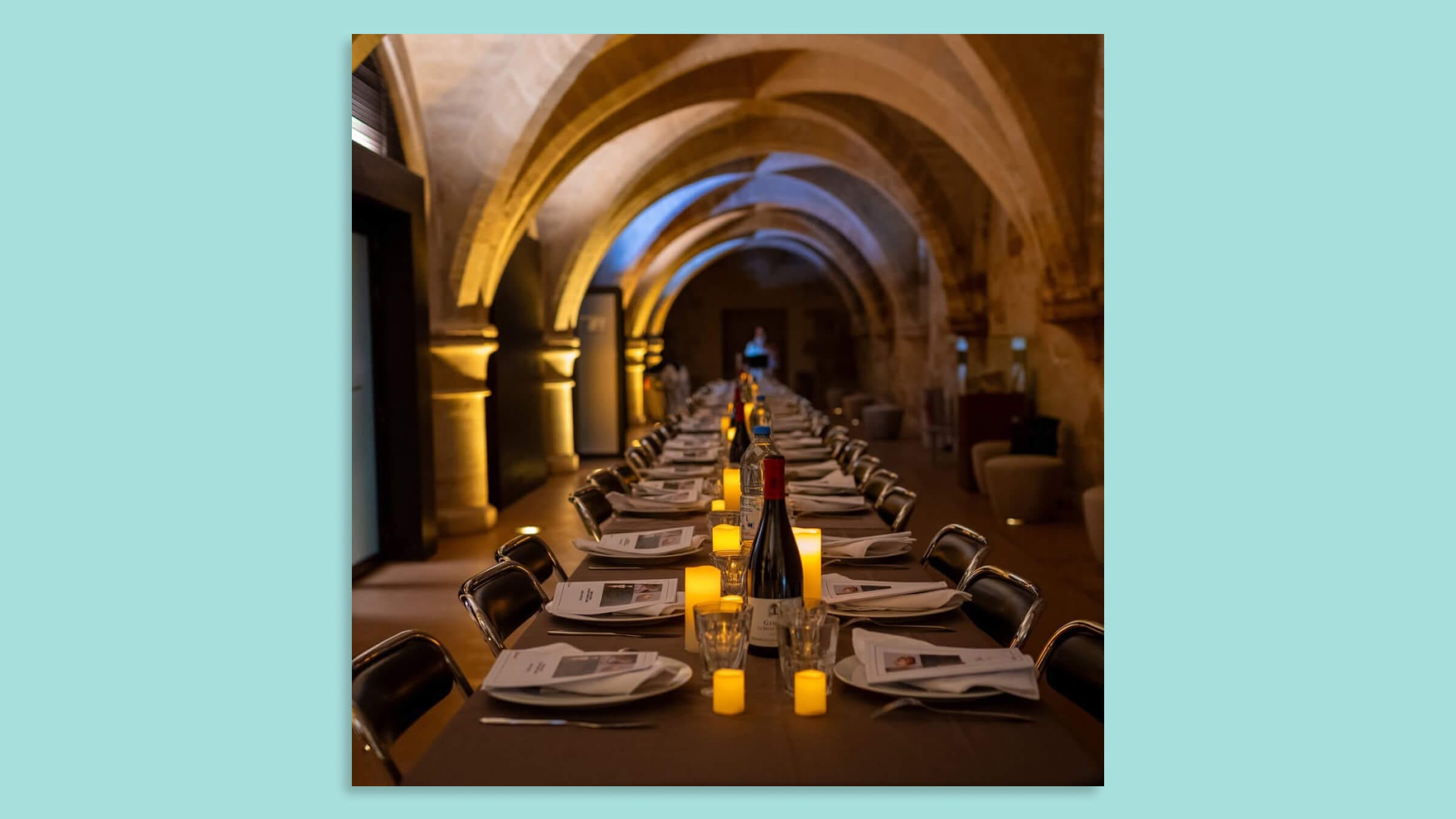
Dinners... 100% silent
In short — Several times a year, the Collège des Bernardins organizes "silent dinners." How does it work? Guests share a meal... in silence from start to finish, with a different theme each time (e.g., Tolkien or Mozart) and cultural activities (readings aloud, musical interludes, etc.) to set the scene for the dinner.
Why it matters — The idea was born in the 2010s with silent lunches organized at the Abbey of Lérins, near Cannes, for guests overwhelmed by demands, professional conversations, and social niceties. By eliminating speech, social roles, hierarchies, verbal performance, and the reflex to introduce oneself or talk about oneself are immediately suspended. Dinner then becomes a space for pure attention, where everyone refocuses on their sensations (taste, place, music, texts). It is therefore an event format that reverses the usual promise of dinners (networking, exchanging ideas, telling stories) and replaces it with an experience of shared attention, which is much rarer and therefore more memorable.
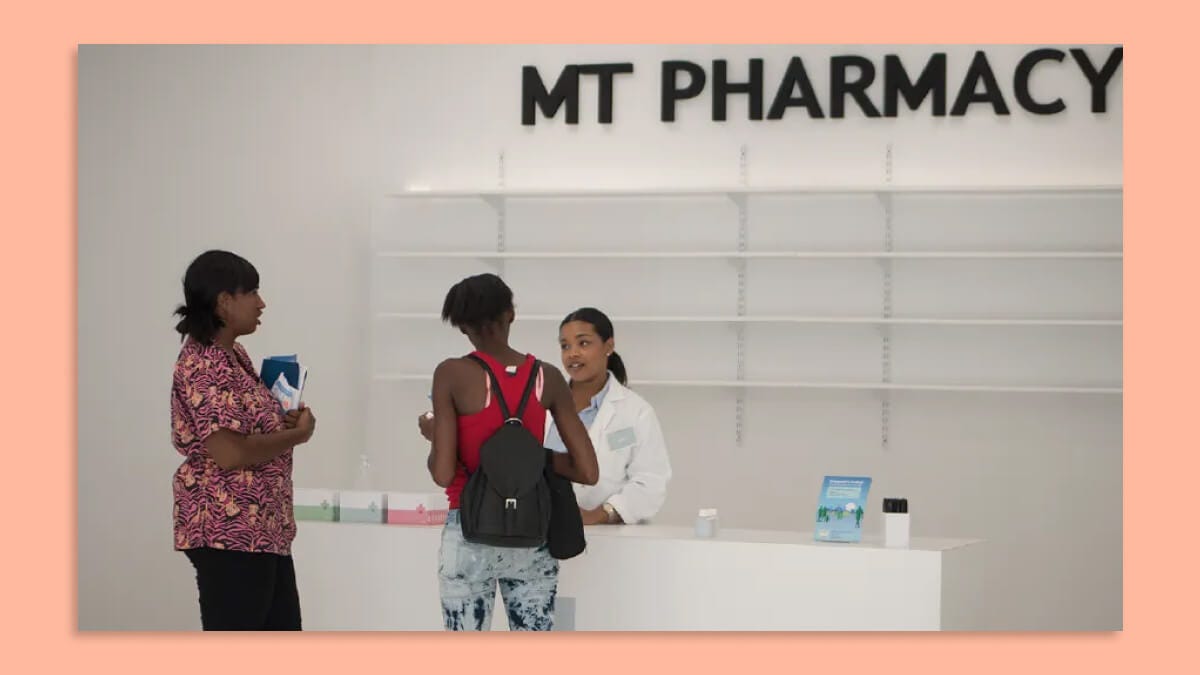
An empty pharmacy to highlight the vital impact of clinical trials in laboratories
In short — Have you ever seen a pharmacy that is literally empty? This is the concept that Sanofi in the US developed to demonstrate what the world would be like without clinical trials, meaning without the medications developed through these trials.
Why it matters — Instead of a theoretical discourse on the importance of clinical trials, she offers a concrete projection: without participation in trials, the shelves would be desperately empty. The familiar space of the pharmacy itself becomes a visual metaphor. Absence is the message: a narrative strategy using negation that strikes the imagination, makes an abstract issue immediately understandable, and relies on emotion and visualization rather than numbers.
To go further — A similar tactic was used by Lush: the brand removed all its products from its shelves and stopped sales for a week to draw attention to the crucial role of pollinators (bees, butterflies, etc.) in our ecosystem and show that without these insects, their products would disappear from the shelves.
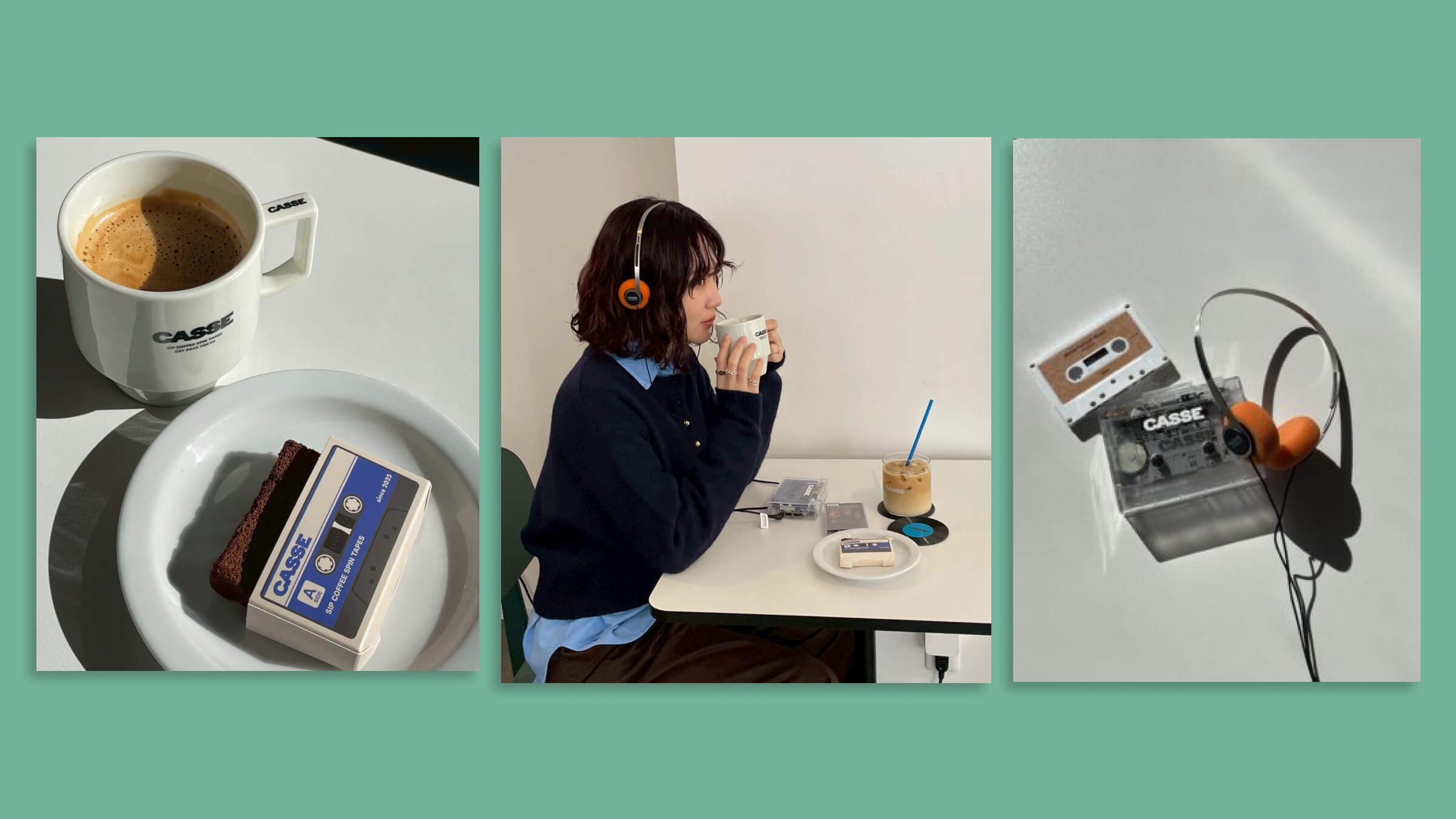
The comeback of cassette and video rental stores
In short — In Tokyo's Shibuya district, a "cassette café" has opened. The concept? A hybrid space between a café and a listening room where visitors can browse shelves of physical cassettes and settle in with their cassette player and headphones.
Why it matters — To counterbalance digital hyper-efficiency: where streaming platforms maximize speed, diversity, and personalization, the cassette café reintroduces constraints: no unlimited searching, no immediate track skipping, no algorithm to optimize selection. This deliberate friction gives visitors back the pleasure of touch, attention, and choice. By deliberately valuing what digital culture tends to eliminate—slowness, effort, presence—the idea captures the spirit of the times: saturated consumers are looking for experiences that slow down, anchor, and give meaning to listening.
→ Take a look at the coffee cassette
To go further — In the same vein, we are also seeing the rebirth of video clubs, which reintroduce the act of physically choosing a film, browsing through covers, accepting a finite selection and human recommendations, in contrast to the endless scrolling of streaming platforms. Constraint becomes experience: less choice, but more attention; less optimization, but more desire. The idea is not to compete with Netflix but to offer another cultural value.
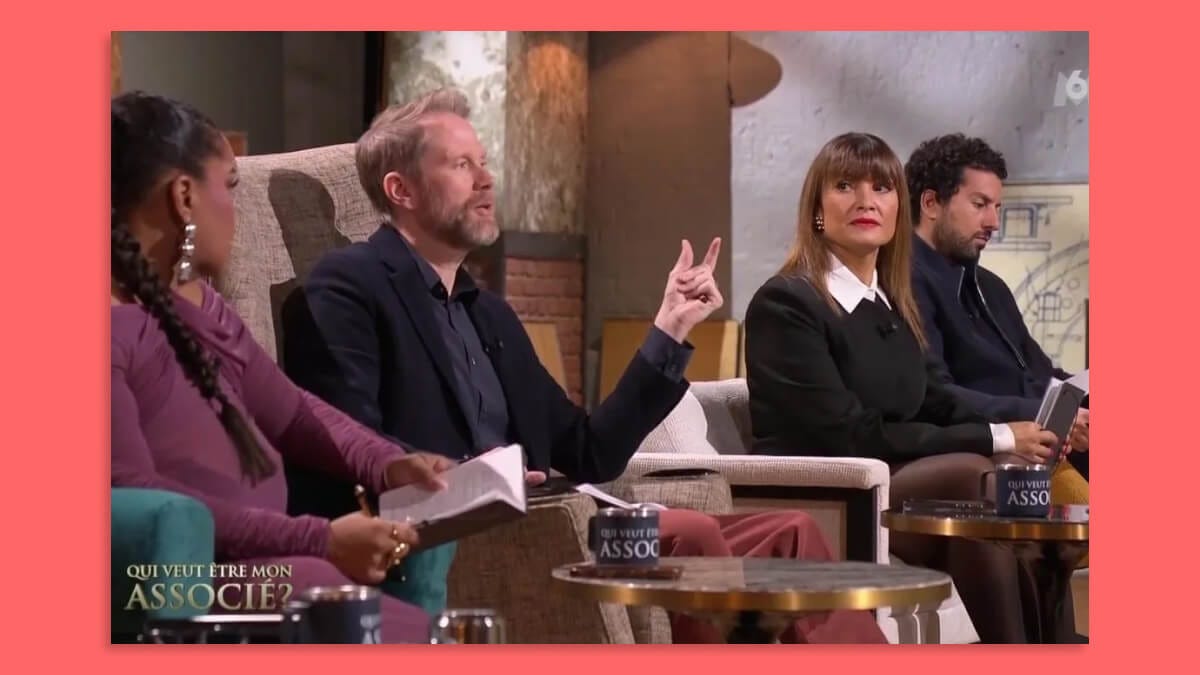
Post-broadcast as a new playground
In short — The French TV show Qui Veut Être Mon Associé (Who Wants to Be My Partner) is launching a platform aimed at three target audiences: 1) project leaders in the creation or structuring phase, whether or not they have participated in the show, with educational content (fundraising, pitching, growth, etc.), a 120-hour certified training course developed with ESCP, access to mentors, investors, and experts, tools, visibility, and support on positioning, business structuring, partnerships, and communication 2) aspiring entrepreneurs among the show's viewers (students, employees considering a career change, freelancers, etc.) to serve as a gateway to entrepreneurship, 3) ecosystem partners (investors, schools, experts, B2B brands wishing to reach qualified entrepreneurs) for whom it is a reservoir of projects, a networking platform, and a qualified lead generation tool, backed by a very powerful media brand.
Why it matters — The platform focuses on a blind spot: the post-broadcast period. Where a TV appearance creates a spike in attention, the platform structures the amplification over time. This responds to a very concrete need for today's entrepreneurs: knowing how to pitch, recruit, raise funds, sell, and communicate their project in an ecosystem saturated with content.
What if… — … we applied this to Top Chef? The logic would be the same: don't let the media hype die down after the show airs. How? By supporting the chefs: helping them open restaurants or pop-ups, assisting them with their personal branding and positioning (PR, social media, relevant collaborations, etc.), providing access to partners (investors, restaurant groups, food brands), and so on.
IT MAY BE A SMALL DETAIL TO YOU, BUT...
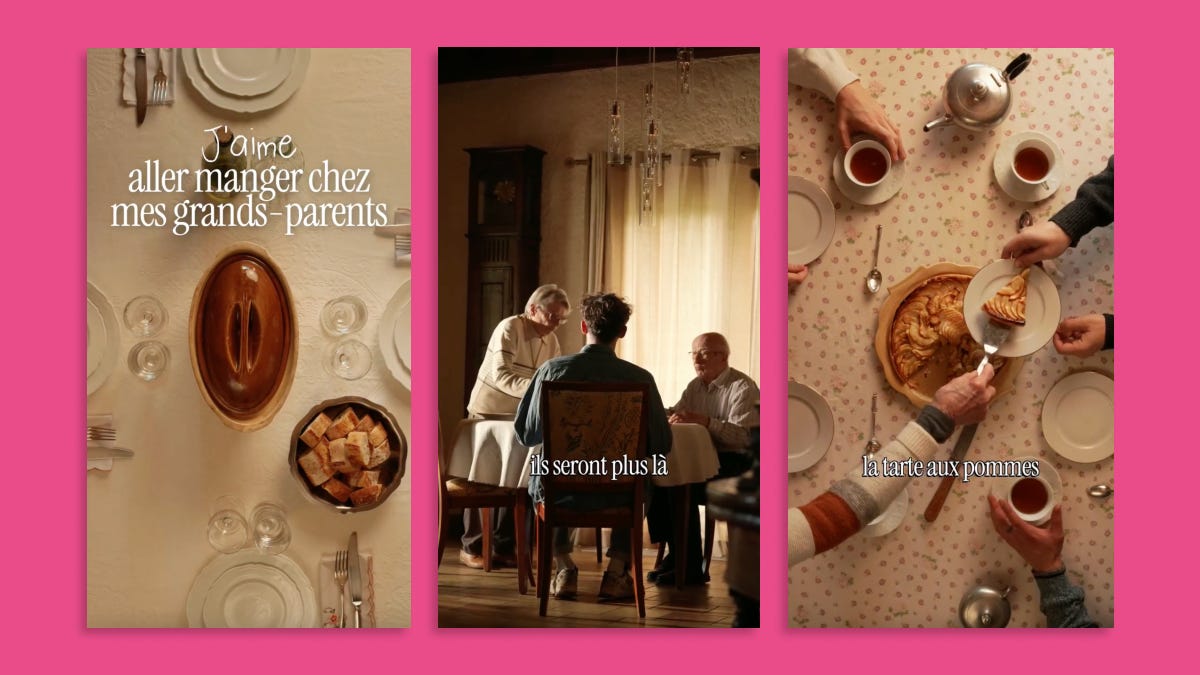
📹 The poetry of everyday life — Le Journal de Samy is a mini web series created by rapper El Bobby (Samy Triboulet) and director Alex Mameli, which offers a very short episode (1 min) every Sunday. Its originality lies as much in its form as in its intention: an artistic and intimate diary that functions almost like a poetic capsule or a filmed slam rooted in real life, which does not seek to "entertain" in the strict sense but to reveal the beauty and paradoxes of the ordinary, encouraging us to enjoy every moment (and our loved ones).
🏡 A coffee shop on the ground floor of their house — That was the idea of a couple in a residential neighborhood of Los Angeles who created the café they would have liked to have at the end of their street, open only on weekdays, with limited hours (9 a.m. to 3 p.m., aligned with their child's school schedule), designed for the neighborhood and not necessarily as a destination. I like what this says in terms of weak signals and the future of hospitality: 1) the overdose of standardized, trendy places vs. the "home" and micro-places 2) limited hours, reduced capacity, and an assumed scarcity in order to seek desirability rather than volume 3) targeting (and retaining) an ultra-local community instead of seeking to attract large numbers of people.
🧪 Have you heard of the Testeur de commerce? It's a program that provides temporary commercial premises (for between 15 days and 4 months) in the heart of Paris so that retailers, artisans, and entrepreneurs can test a concept in real-world conditions without committing to a long and costly lease. Since its creation in 2015, more than a hundred projects have been supported, and nearly half have resulted in the opening of a permanent store after the trial period: a true incubator for local businesses.
🥐 How about having breakfast at the movies? — That's the idea behind L'Épée de Bois in Paris with its Croissant & Cinema Sundays. Why not consider partnerships with bakeries such as Léonie Bakery and beverage brands (coffee, chicory, etc.)?
😌 The desire not to burn out in the race for attention — Lauren Bastide, founder of the podcast La Poudre, explains why she decided to stop filming her podcast. After all, who said we had to write EPISODE TITLES IN CAPITAL LETTERS LIKE IT'S THE APOCALYPSE TOMORROW or cut interviews into super catchy 20-second Reels? Thank you.
🗞️ A fake newspaper to denounce the absurdity of electoral rules — A British NGO sent members of parliament The Misleading Times, a fake newspaper full of absurd headlines to show that in the United Kingdom, political advertising is the only type of advertising that is not subject to rules of factual accuracy and can therefore lie without breaking the law. The goal? To highlight the legal loopholes that parties use to call for reform.
🛒 The first completely free grocery store — In Manhattan, Polymarket, a platform where people bet money to predict what will happen in the world (elections, political decisions, upcoming events), opened a supermarket where people could leave with essential items... without paying for a few days. The operation, entirely funded by the brand and accompanied by a $1 million donation to the Food Bank for NYC, generated huge queues and, above all, massive media coverage. It was a deliberate publicity stunt, with no direct link to the product, designed to bring an abstract platform out of its niche and anchor its name in a concrete debate: the cost of living and access to food.
📺 Olympic watch parties at the library — In Canada, several libraries transformed their reading rooms into collective viewing areas during the Milano Cortina Olympics, focusing on iconic events. It was a smart move to turn the library into a social and cultural space by capitalizing on a major media event to recreate local ties.
📚 The Moby-Dick Marathon — Every first weekend in January since 1997, the New Bedford Whaling Museum in Massachusetts has organized a 25-hour reading of Herman Melville's classic Moby-Dick. The event celebrates the city's literary heritage — Melville left New Bedford aboard the Acushnet in 1841, which directly inspired his novel — with readings, discussions with experts, activities for all ages, and free performances based on the book, attracting several thousand visitors each year.
That's all for today! See you on Tuesday, March 10 for the next issue!
📬 Not yet subscribed? Sign up to receive the next edition:
❤️ If you enjoyed this edition, you can help me by spreading the word: feel free to like and share this issue!